
Why your pickleball bag matters more than you think
Most players start out stuffing a paddle and a couple of balls into a gym bag. That works fine for the first few months. But as you play more frequently, accumulate gear, and start caring about protecting a $200+ paddle from getting dinged or warped in a hot car, the case for a dedicated pickleball bag becomes obvious quickly.
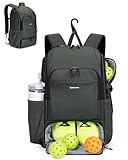
A good pickleball bag is designed specifically for the way players carry their gear — dedicated paddle compartments that prevent contact damage, thermal lining to protect paddles from heat warping, ventilated shoe pockets to keep footwear separated from clothing, and enough organized space that you can find your overgrip tape without emptying the entire bag onto a bench. This guide covers what to look for and the best options at every level of play.


Last update on 2026-04-06 / Affiliate links / Images from Amazon Product Advertising API
Bag styles — which type suits your game
Pickleball bags come in five main styles, each suited to a different type of player and use case.
Backpacks are the most popular choice for everyday recreational and intermediate players. They distribute weight evenly, leave your hands free walking to the court, and most quality options hold 2–4 paddles, balls, shoes, and accessories comfortably. They’re the practical default for players who go straight to the courts from work or run daily errands on the way.
Tour bags / duffel bags are larger, dual-carry options — typically worn as a backpack or carried by handles — designed for tournament players and serious competitors who spend full days at courts. They hold more paddles (often 4–8), more balls, full changes of clothing, towels, food, and all the gear needed for a 6-hour tournament day. Heavier and bulkier than backpacks for everyday use, but the right tool for competition.
Sling bags are compact, single-strap bags ideal for minimalist players who bring one paddle, a few balls, a water bottle, and little else. Fast to grab and go, easy to sling to the side during play. Limited storage but excellent for casual sessions at a nearby court.
Tote bags offer easy open-top access and are popular with players who prefer visibility into their bag without unzipping multiple compartments. Less structured than backpacks but practical for shorter sessions.
Sling duffels — a hybrid of sling bag and duffel — have grown in popularity for their versatility. Carried over one shoulder like a sling for short trips, held by handles for longer carries. JOOLA’s Ben Johns collaboration bag popularized this format in competitive circles.
Key features to look for
Paddle compartment quality is the most important feature. Look for padded, dedicated paddle sleeves rather than simply a large main compartment where paddles rattle around against everything else. The best bags have separate sleeves that hold paddles individually. Thermal lining in the paddle compartment protects against heat warping — particularly important if your bag sits in a hot car between sessions.
Paddle capacity should match your needs. Recreational players need space for 1–2 paddles. Players who bring a backup or test multiple paddles want 3–4 slots. Tournament players often carry 4–8 paddles. Don’t buy more capacity than you’ll use — larger bags are heavier and bulkier when not fully loaded.
Ventilated shoe compartment is a feature that seems minor until you’re pulling a sweaty shoe out of the same compartment as your clean clothing. A separate shoe pocket with ventilation mesh keeps footwear isolated and odor-contained. This is now standard on quality mid-range and above bags.
Water bottle pockets should be deep enough to secure a full 32oz bottle without it tipping over while the bag is moving. Side pockets that collapse flat when empty are a thoughtful design feature found on better bags.
Zipper quality is a durability tell. YKK zippers are the industry standard for longevity — bags with unknown-brand zippers tend to fail first at this point. Check zipper quality before buying, especially on bags you’ll use daily.
Material and weather resistance — polyester is fine for most players in typical conditions. Higher-end bags use military-grade nylon or PU leather that resists abrasion and light rain better. If you play outdoors in variable weather or want a bag that lasts for years rather than a season, material quality is worth paying for.
Fence hook is a small but appreciated feature — a hook that lets you hang the bag on a court fence during play rather than setting it on the ground. Standard on most dedicated pickleball bags.
Best pickleball bags for recreational and regular players
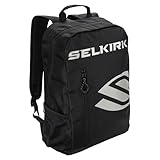
For players who play 2–4 times per week and want a bag that handles everyday court use without being overkill, a mid-range backpack or sling bag covers everything needed. The Franklin Sports Pickleball Sling Bag is one of the most consistently recommended budget-friendly options — compact, well-organized, comfortable to carry, and widely available. The Selkirk Core backpack is the step up from Franklin in terms of build quality, with better paddle padding and more organized interior pockets.


Last update on 2026-04-06 / Affiliate links / Images from Amazon Product Advertising API

Last update on 2026-04-06 / Affiliate links / Images from Amazon Product Advertising API
Best pickleball bags for serious and tournament players
Players who compete in tournaments or play at a dedicated club several times per week need a bag that handles full-day gear loads without compromising on paddle protection. The CRBN Pro Team Backpack consistently earns the top recommendation in this category — thermal-lined paddle compartment for up to 3 paddles, dedicated shoe compartment, laptop sleeve, strong YKK zippers, and a durable 500D polyester build with a waterproof base. It bridges everyday use and tournament-ready capacity better than most alternatives.
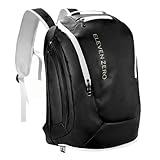
The Six Zero Pro Tour Bag is the large-capacity option for players who carry maximum gear — it holds up to 6 paddles, has an external ventilated shoe bag, and converts between backpack and duffel carry. If you regularly pack for full tournament days with multiple outfit changes, extra paddles, food, and all-day supplies, the Six Zero is built for exactly that use case.


Last update on 2026-04-06 / Affiliate links / Images from Amazon Product Advertising API

Last update on 2026-04-06 / Affiliate links / Images from Amazon Product Advertising API
Best budget pickleball bags
Players who are newer to the sport or want a functional bag without a significant investment have solid options under $50. Sling bags and basic backpacks in this range hold 2 paddles and essential accessories without the thermal lining or premium materials of higher-end options. For players playing once or twice a week at a casual level, a budget bag does everything required.


Last update on 2026-04-06 / Affiliate links / Images from Amazon Product Advertising API
What to pack in your pickleball bag
A well-packed pickleball bag for a standard session includes:
- Primary paddle plus one backup if you own one
- 6–12 outdoor balls — enough for a full session without scavenging
- Court shoes — separate from street shoes using the shoe compartment
- Water bottle — minimum 32oz for a 2-hour session in warm weather
- Towel — quick-dry microfiber takes up minimal space
- Overgrips — worn grips are one of the most common and easily preventable equipment problems
- Small first aid kit — blister pads and athletic tape for the inevitable
Equipment and training go together
The right bag keeps your equipment organized and protected. The right training program keeps your game improving. Our Dynamic Pickleball Club review covers one of the most popular structured training apps for pickleball players who want to develop their game beyond just logging court hours.